
There’s a moment, right after you wind on a roll of 120 film and hear that satisfying click, when everything slows down. The world doesn’t need you to be fast. It just needs you to look. Really look. And in a world that’s drowning in infinite scrolls and AI-generated everything, that feeling has never mattered more.
If you’ve been paying attention lately, you’ll know that film photography isn’t just clinging on — it’s genuinely booming. And the latest proof? The BBC recently ran a feature on the remarkable rise of film cameras, telling the story of people like new father Francis Sanders, who chose to capture his daughter Esther’s very first moments on film rather than a smartphone. As he put it, film has “a nostalgic effect and a sort of magic and character that you can’t capture with digital photography.” I couldn’t agree more.
You can read the full BBC article here: BBC News — The Rise of Film Cameras
Why Film Still Matters to Me
For those of you who’ve followed this blog for a while, you’ll know that analogue photography isn’t a trend for me — it’s been woven into everything I do. I’ve shot on just about every format going: 35mm through cameras like my beloved Olympus XA3 (which has travelled with me from the streets of Bangkok to the backroads of Suffolk), medium format 120 film on everything from a Zeiss Nettar to a Ricohmatic 225, and even the gloriously unpredictable world of instant film with my Polaroid SX-70.
There’s something different about each format, too. Shooting 35mm is nimble and spontaneous — you can rattle through 36 frames on a street walk and every single one carries the possibility of something special. It’s the format that taught me to see, back when I was loading rolls of Ilford HP5 into my Olympus OM10 as a teenager and hoping for the best.
But 120 film? That’s where the magic deepens. You get 12 frames on a standard roll — sometimes fewer depending on the camera — and every single exposure becomes deliberate. I remember the first time I loaded a roll into my Zeiss Nettar, this gorgeous folding camera from the 1950s that feels like holding a piece of photographic history. The negatives that came back were stunning — the tonal range and detail you get from that larger negative is something 35mm simply can’t match. And developing 120 at home? Getting that film onto the reel is its own little adventure, as anyone who’s wrestled with it in a changing bag will know.
Then there’s instant film. My Polaroid SX-70 has given me some of my favourite images — and some absolute disasters. That’s the beauty of it. You press the shutter, the motor whirs, and out comes this little white-bordered rectangle of possibility. There’s no chimping, no histogram, no second chances. Just you, the light, and whatever the chemistry decides to give you. I’ve written about the highs and lows of shooting SX-70 black and white film before, and it remains one of my most enjoyable creative outlets.
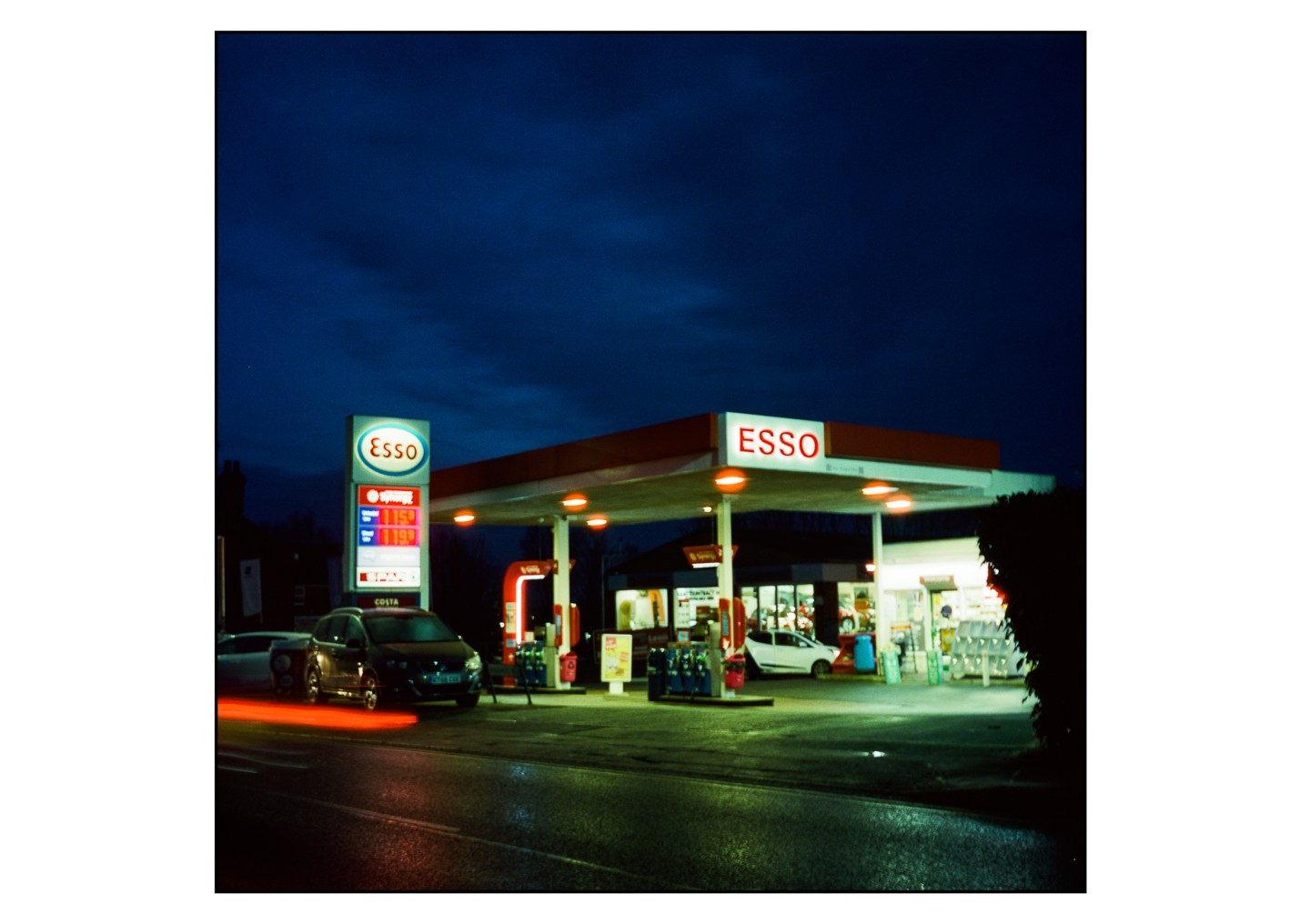
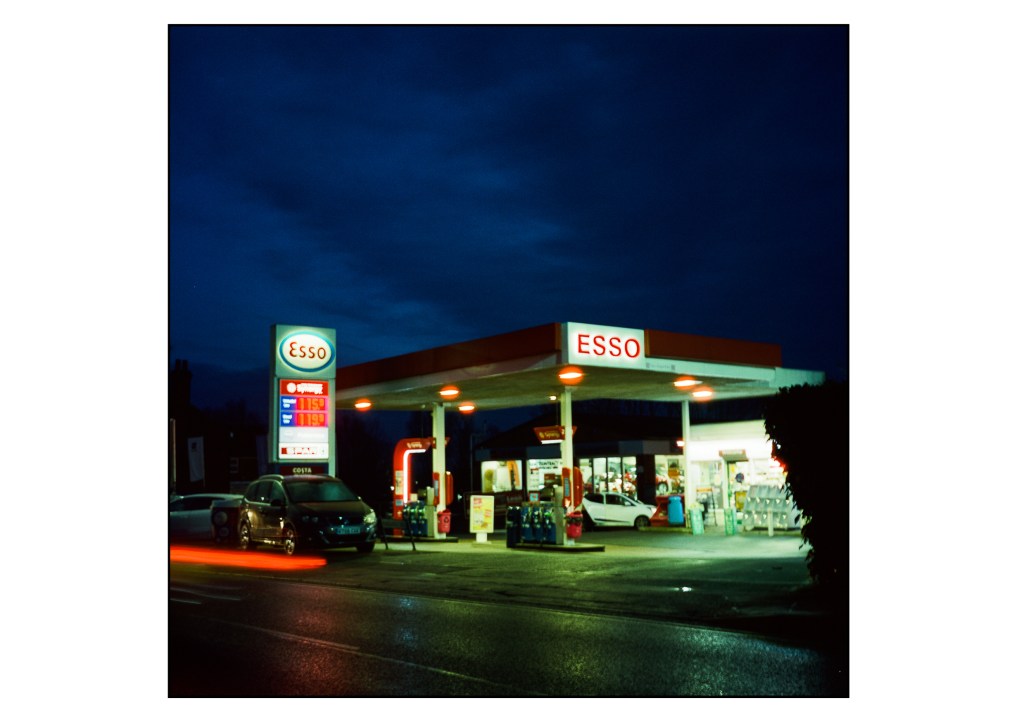
And let’s not forget the Cinestill adventures — shooting Cinestill 800T at a local petrol station in both 120 and 35mm, chasing those halation-soaked highlights that make every neon sign look like a frame from a Ridley Scott film. Or the hours spent with Cinestill Df96, the monobath developer that promised to simplify home processing and actually delivered.
The BBC, the Numbers, and the Bigger Picture
The BBC piece is just the latest in a wave of coverage that’s confirmed what those of us in the film community have known for years: this isn’t a fad. The numbers are remarkable. Wholesale film order volumes have increased 127% from 2020 to 2026. Over 300 new film photography labs opened globally in 2025 alone. Leica has reported a 900% jump in film camera sales over the past eight years. And a survey by HARMAN (the people behind Ilford and Kentmere) found that 65% of film photographers surveyed were under 45 — with the biggest spike in the 25–34 age bracket.
Millennials and Gen Z aren’t picking up film cameras because it’s “retro” — they’re doing it because they crave something tangible in an increasingly intangible world. When musicians hand out disposable cameras at concerts instead of allowing phones, you know analogue has broken through into the mainstream.
The Revenge of Analog — A Book That Saw It Coming
All of this reminds me of a book I read a few years ago that absolutely nailed this cultural shift before most people were paying attention: The Revenge of Analog: Real Things and Why They Matter by David Sax.
Published in 2016, Sax’s book explored why vinyl records, paper notebooks, board games, and yes — film photography — were staging a comeback in the digital age. He dedicated an entire chapter to “The Revenge of Film,” profiling the passionate individuals who were using their considerable intellectual energy to keep the manufacturing of photographic film alive.
What made the book so prescient was its central argument: that neither an entirely analogue nor an exclusively digital existence is ideal. We need both. The tactile, the slow, the imperfect — these aren’t weaknesses. They’re what makes the creative process feel human. Sax described it as “a powerful counternarrative to the techno-utopian belief that we would live in an ever-improving, all-digital world.”
Reading it now, a decade on, it feels less like prediction and more like prophecy. Every roll of Kodak Portra that sells out, every queue at a photo lab, every young photographer posting their first darkroom print online — it’s all part of the revenge that Sax wrote about. And honestly? It’s one of the most satisfying revenges I’ve ever witnessed.
You can find the book here: The Revenge of Analog by David Sax
The Big Film Photowalk 2026
Which brings me to the thing I’m most excited about right now: The Big Film Photowalk 2026, organised by the team at Analogue Wonderland.
If you haven’t heard of Analogue Wonderland, they’re an independent UK-based film photography retailer and lab that has become the beating heart of the British film community. They stock over 200 different film types, run their own processing lab (Analogue WonderLab), and have been championing analogue photography since 2018. They’ve won Amateur Photographer’s ‘Good Service’ award — the only analogue specialist to do so — and their WonderLab picked up an Editor’s Choice award for Best Processing Lab from Photography News.
But their crowning achievement might just be The Big Film Photowalk. Now in its third year, it’s the largest synchronised film photography event in the UK, bringing together hundreds of photographers, shops, labs, darkrooms, and galleries across the country in a single day of analogue celebration.
The date for 2026: Saturday 27th June.
The event has grown phenomenally. In 2024, over 800 film photographers took part across 39 locations, collectively shooting more than 20,000 frames of film in a single day. The 2025 walk was even bigger, with partnerships with Kodak and Pentax. For 2026, they’re promising the biggest and best walk yet — and they’re currently looking for local walk leaders to help make it happen in communities right across the country.
Previous walks have included options to purchase a ticket that includes two rolls of Kodak film and free development of one roll — an incredible deal that gets you out shooting with everything you need.
For more details and to sign up when tickets go live: Big Film Photowalk 2026 — Save The Date
A Gallery of Film Memories
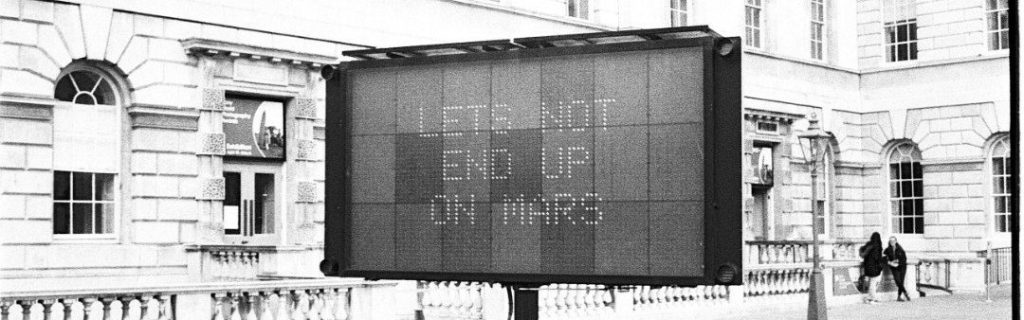
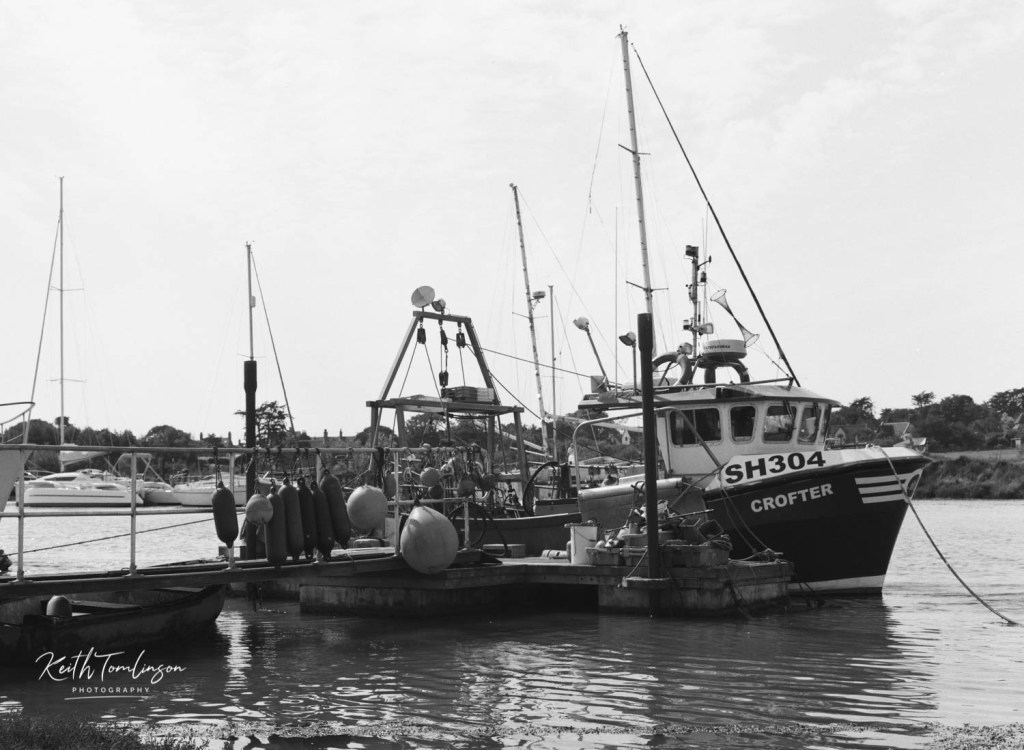
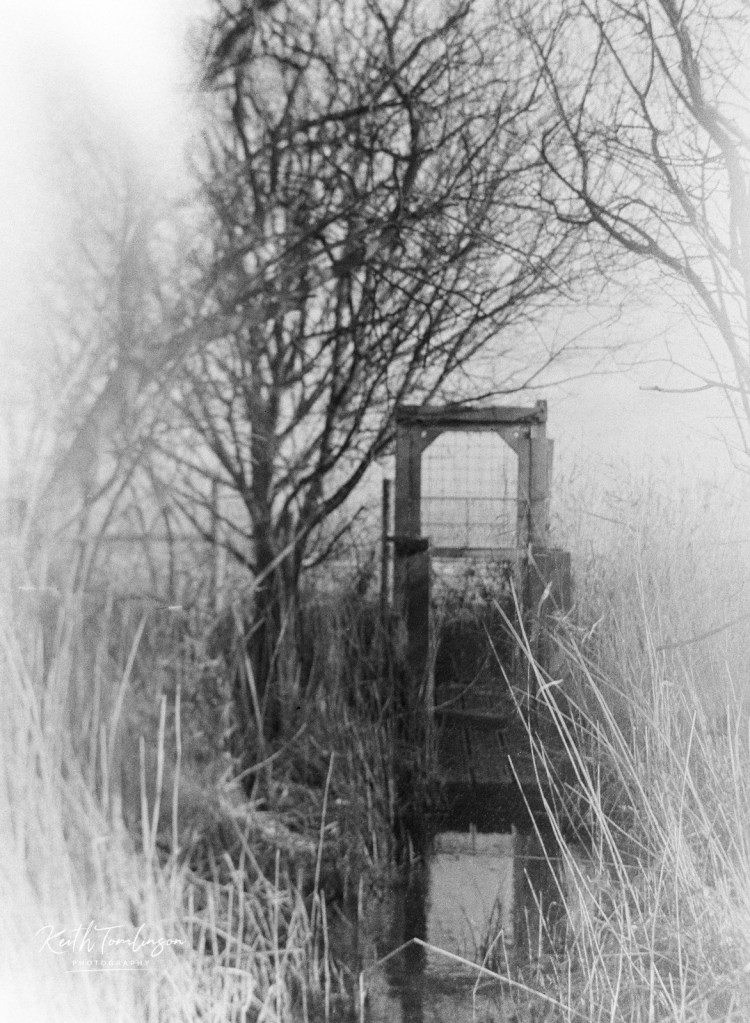
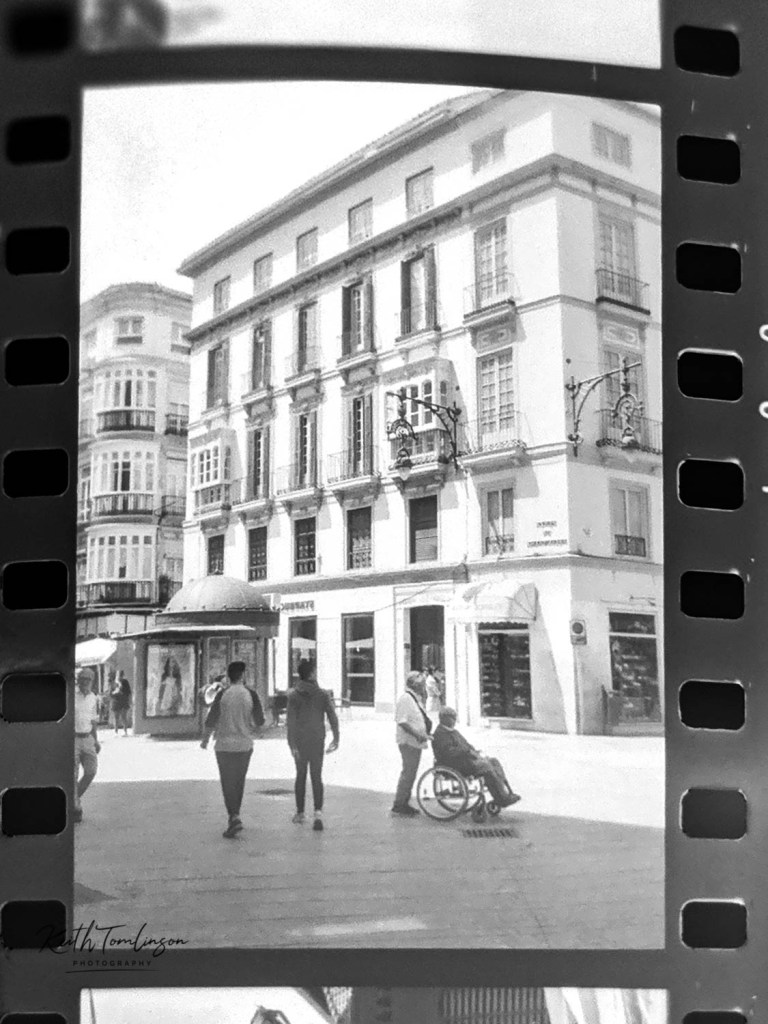
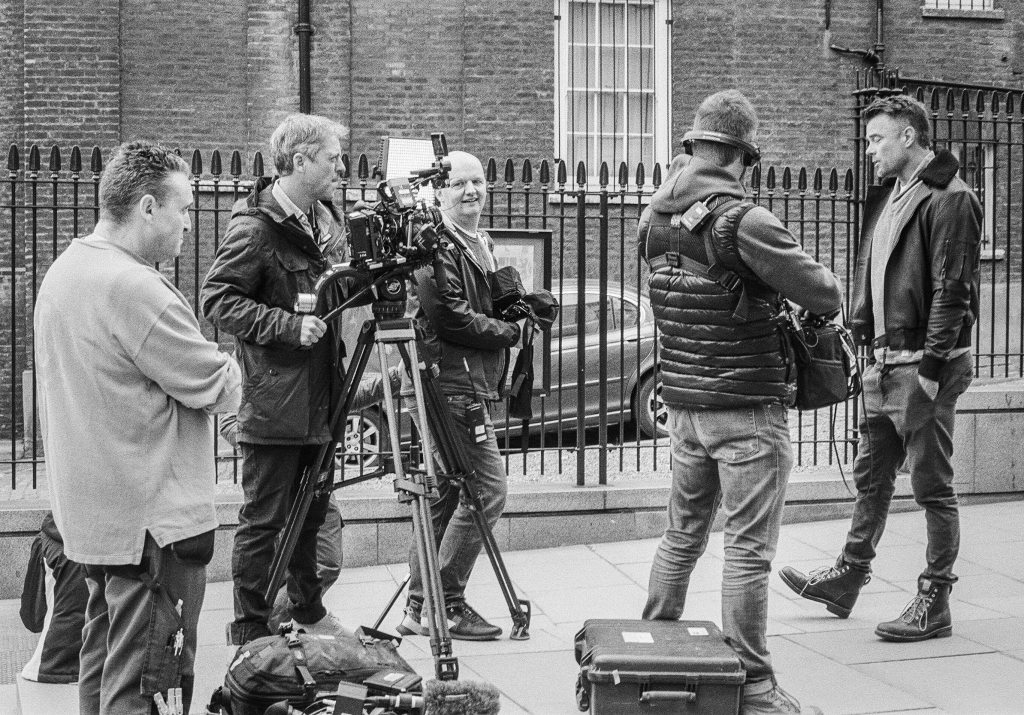
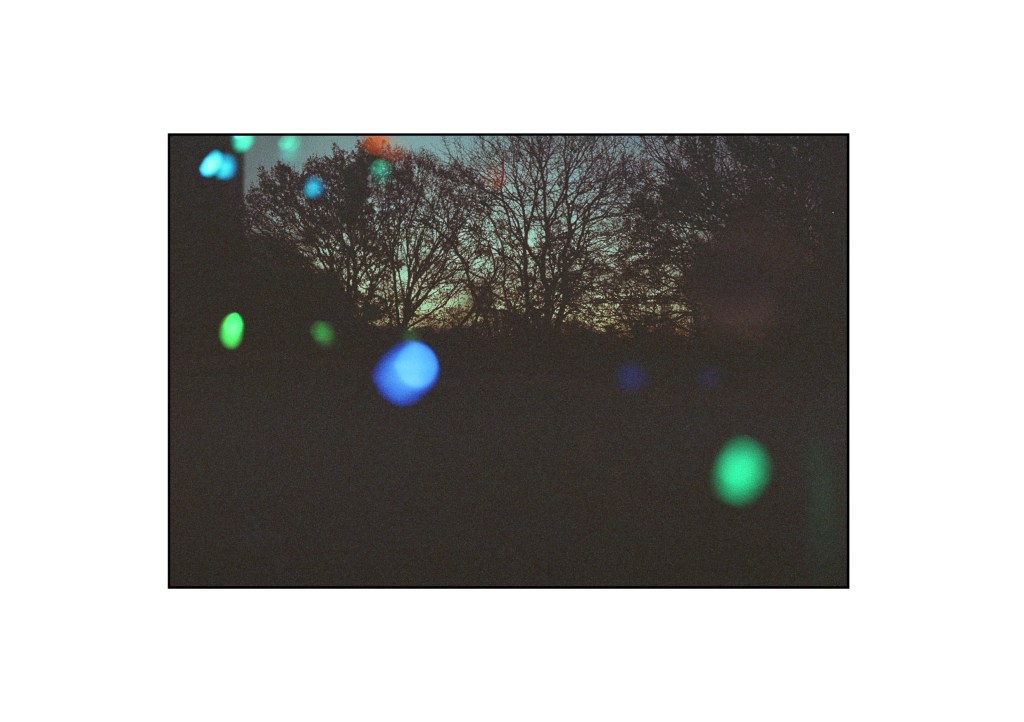
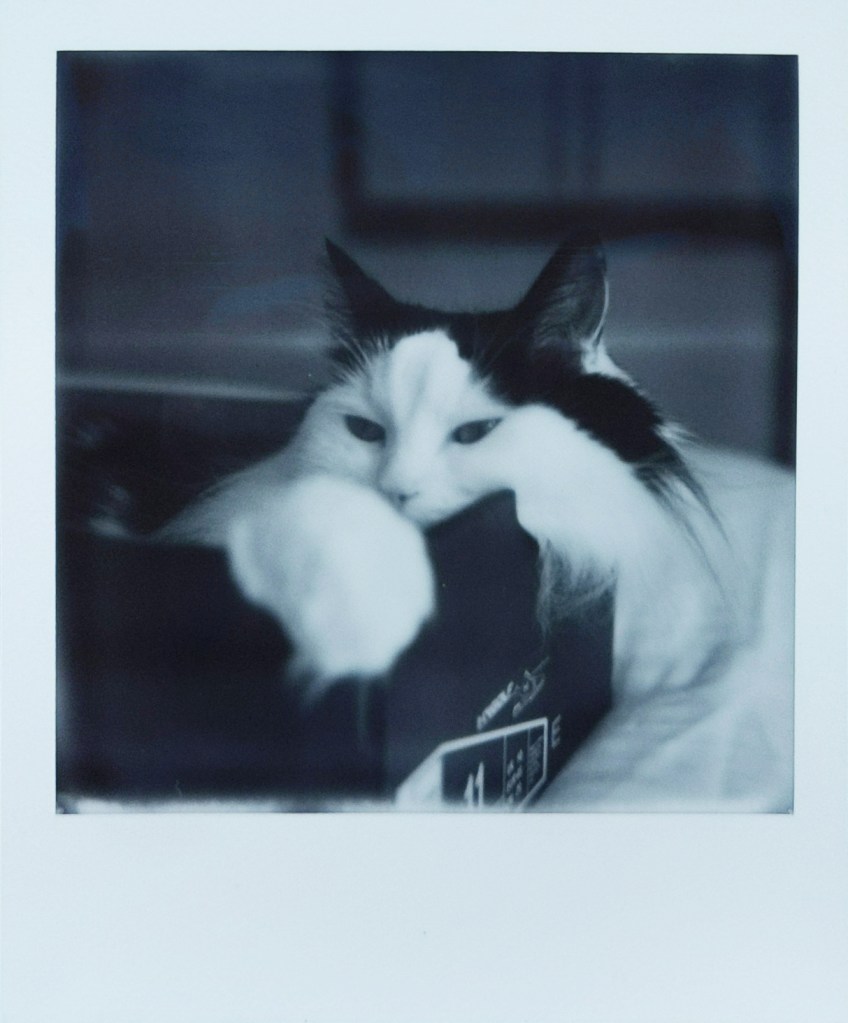
Below is a selection of some of my favourite film photographs from across the site — spanning 35mm, 120, and instant formats. Each one is a reminder of why I keep coming back to analogue.
You can now access my articles on Substack “The Long View”. Be sure to subscribe.
 Keith Tomlinson Photography